
January 15, 1947 · Leimert Park, Los Angeles
The Black Dahlia: Elizabeth Short
In January 1947 a mother walking with her child found Elizabeth Short in a vacant lot in Leimert Park. No one has ever been charged. This is what Eli and Simone argued over.
SIMONEBecause whoever did it knew exactly what they were doing.
ELIThat's a theory, Simone, not a fact.
SIMONECut a woman in half at the waist. Drain her of blood. Leave nothing behind. That's not a theory about the killer. That's a description of him.
The package nobody could trace
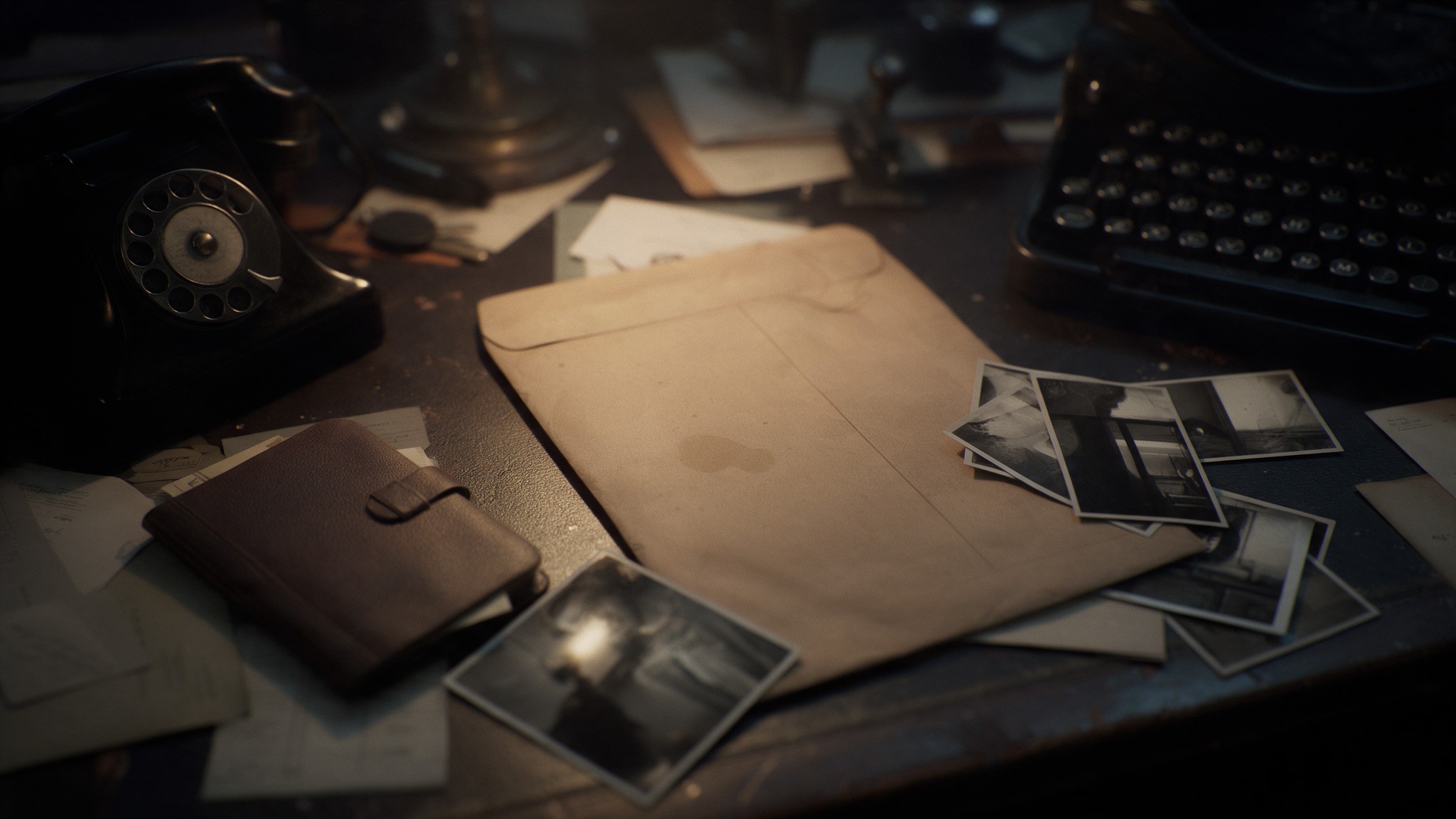
About nine days after the body was found, a manila envelope arrived at the Los Angeles Examiner. Whoever sent it had wiped everything down with gasoline.
- ArrivedAround January 24, 1947, at the Los Angeles Examiner
- InsideHer birth certificate, business cards, photographs and an address book
- The bookEmbossed with the name Mark Hansen
- The printsPartial prints recovered, later compromised in transit to the FBI
ELIThe envelope and its contents had been wiped down with gasoline, an attempt to destroy fingerprints, which at least tells us the sender understood forensics well enough to try to defeat them.
SIMONEOr was smart enough to know what mattered. Over the following weeks, more letters showed up, taunting the police, daring them to catch him.
- 01 / 04 · THE LOT
Her body was found on January 15, 1947, in a vacant lot on South Norton Avenue. No blood was found at the scene, which had been scrubbed clean.
- 02 / 04 · THE PRINTS
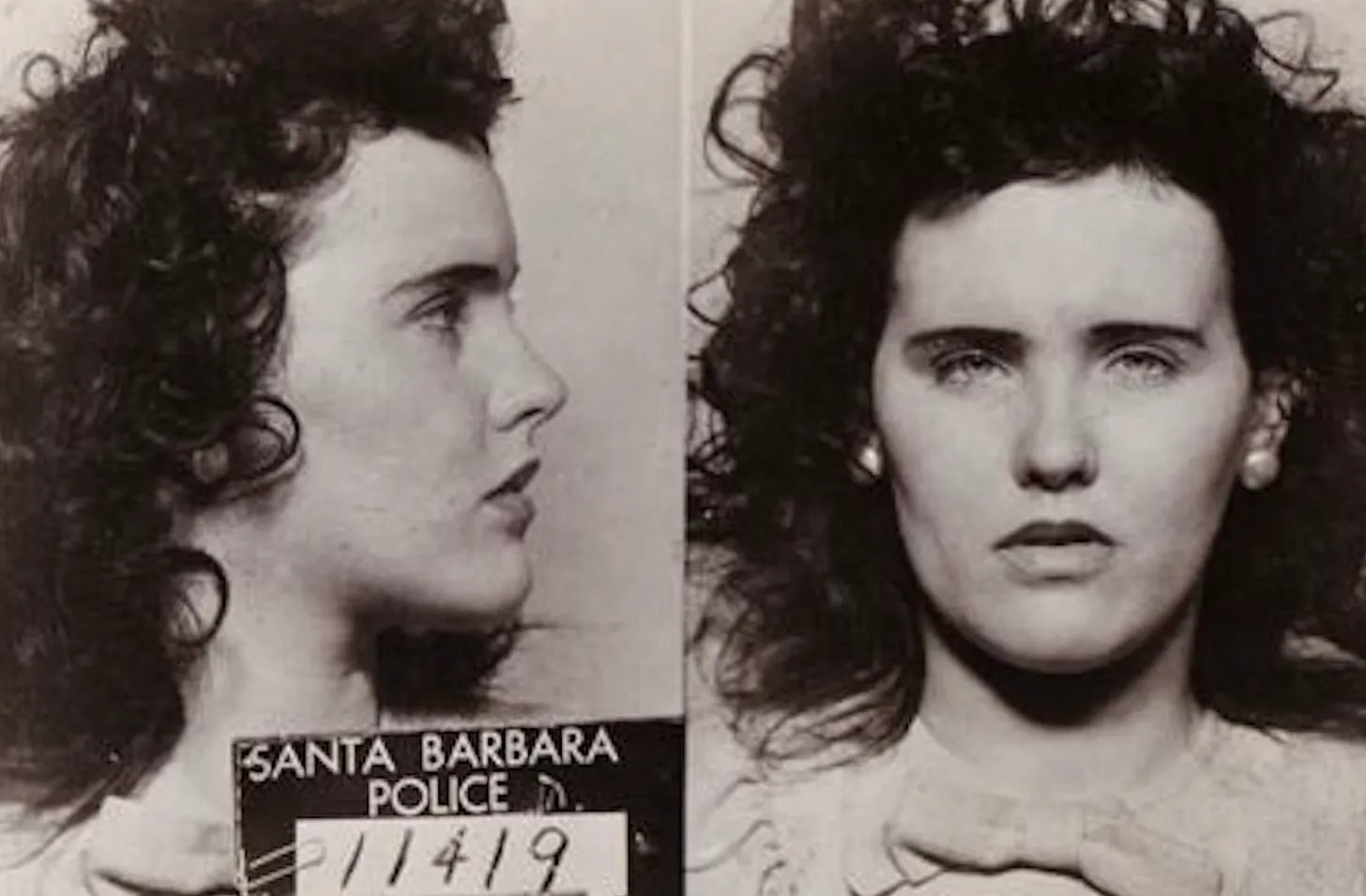
Her fingerprints from a 1943 arrest in Santa Barbara are what let the FBI identify her.
- 03 / 04 · THE LETTERS
Taunting letters followed on January 26 and 29, including a failed attempt to arrange a “surrender.”
- 04 / 04 · THE CONFESSIONS
About 60 people confessed in the first investigation, and the count passed 500 over the decades. More than 150 men were interviewed.
SIMONEAnd the mugshot from that same arrest— dark, curly hair, that specific expression— is the actual photograph the press ran everywhere. That's the face everyone pictures when they hear Black Dahlia. It's not a photo from her murder investigation. It's a booking photo from a bar in Santa Barbara, four years before anyone knew her name would matter.
Two theories, neither charged
Same caseDr. George Hodel.
A Los Angeles physician tried in 1949 for allegedly molesting his 14-year-old daughter, and acquitted. A 1950 wiretap caught him saying that even if he had killed the Black Dahlia, no one could prove it. His son Steve, a retired LAPD homicide detective, built the case against him.
Leslie Dillon and Mark Hansen.
Piu Eatwell’s 2017 book Black Dahlia, Red Rose names a bellhop and former mortician’s assistant, acting for a nightclub owner who had pursued and been rejected by Short. The Aster Motel room where the killing is said to have happened was reportedly found covered in blood the day after, and cleaned up.
LAPD investigated both men and never brought charges. No source treats either theory as settled.
SIMONEA physician accused of abusing his own child with the surgical means to make that cut, joking on a wiretap about a secretary who died right when it would have mattered if she talked. That's not one coincidence, Eli. That's a pattern.
ELIPatterns aren't verdicts. He was never charged.
ELIIt is. My point isn't that this theory is definitely right. My point is that there are at least two well-researched, mutually exclusive theories about who did this, built by different authors decades apart, and they can't both be true. That should lower anyone's confidence in either one, including yours.
SIMONEOr it should raise it in the one piece every theory keeps landing on independently. That this wasn't a stranger. Whoever did this, in every serious version of this story, knew her.
From Boston to a cold case
1924 to 2017- Elizabeth Short is born in Boston.
- Her father’s car is found abandoned on a bridge and the family assumes he died. He later resurfaces alive in California, and she moves west in 1942 partly to reconnect with him.
- She is arrested for underage drinking at a bar in Santa Barbara. The booking photo becomes the image the world later associates with the case.
- A mother walking with her child finds her body in a vacant lot in Leimert Park.
- A manila envelope wiped with gasoline arrives at the Los Angeles Examiner. Taunting letters follow on January 26 and 29.
- Hodel, acquitted a year earlier, has his home bugged by the DA’s office and is recorded saying no one could prove he killed the Black Dahlia.
- The wiretap file is rediscovered in the DA’s archives.
- Piu Eatwell publishes Black Dahlia, Red Rose, naming a rival theory.
Two readings
No winner“Patterns aren’t verdicts.”
- “That’s a theory, Simone, not a fact.”
- “A killer taunting the press doesn’t hand you a killer’s name.”
- “It’s a reason to distrust the whole process equally.”
“That’s not one coincidence, Eli. That’s a pattern.”
- “That’s not just violence, Eli. That’s a signature.”
- “Everyone in this story wanted to be part of telling it.”
- “Whoever did this, in every serious version of this story, knew her.”
In their own words, from Episode 04.
No verdict.
ELIWhich is a real problem for trusting the original investigation, I'll give you that. It's not evidence for any specific suspect, It's a reason to distrust the whole process equally.
SIMONESometimes that's the most honest thing you can say about a case this old.
ELIHere's my actual case, stripped of everything circumstantial. There is no physical evidence— no blood, no fiber, no fingerprint— that has ever definitively tied any single named suspect to Elizabeth Short's body. Not Hodel. Not anyone. Almost 80 years of investigators trying, and the hard evidentiary bar has never been met once.
- Why would a killer mail the evidence to a newsroom instead of destroying it?
- Is the Hodel wiretap evidence, or a man taunting police he knew were listening?
- Can a case built on competing theories ever be closed?
Hear the whole debate
A new case every Sunday
One short email when each new case file opens. Unsubscribe any time.