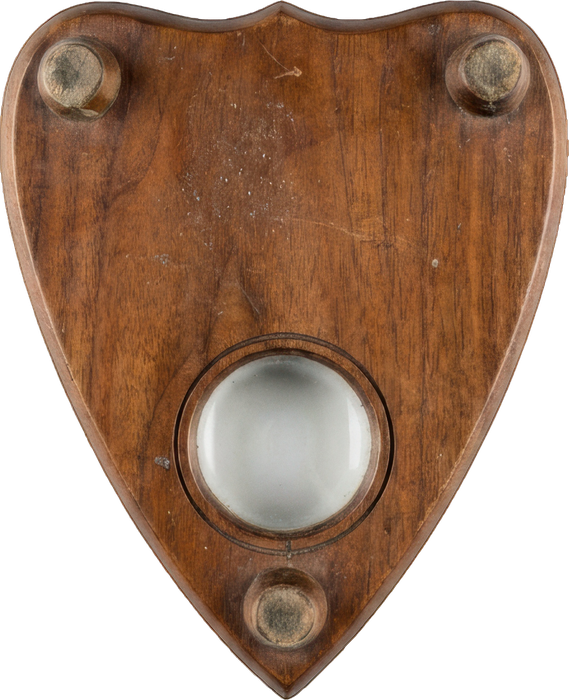
January 1949 · Cottage City, Maryland & St. Louis, Missouri
The Real Exorcist: Roland Doe
A 13-year-old boy, a Ouija board given to him by an aunt, and weeks of exorcism rites led by Catholic priests in St. Louis. This is what Eli and Simone argued over.
ELIBefore we start, the case behind The Exorcist is real. A real boy, a real family, real priests who genuinely believed what they were doing.
SIMONEAnd multiple grown adults across two states and two different faiths all watched the same impossible things happen.
ELIWatched or interpreted, Simone?
SIMONEYou can't interpret a mattress shaking on its own, Eli. You either saw it or you didn't.
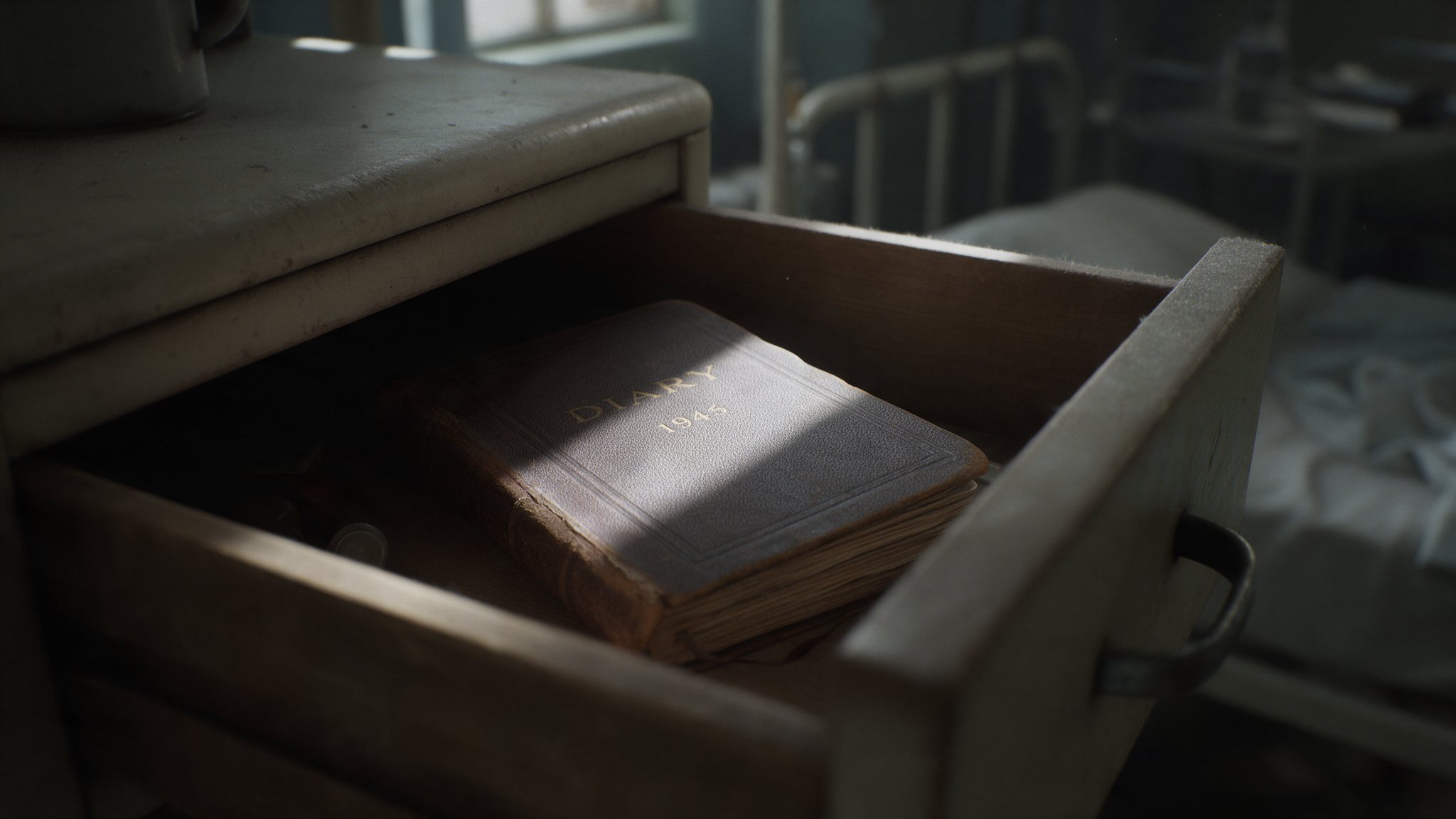
The priest’s diary
Most of what is known about the case traces back to a single contemporaneous record kept by Fr. Raymond Bishop.
- WrittenDuring the exorcism, 1949
- Left inA dresser drawer, in a room later sealed
- Found1978, by a demolition workman
- Made publicThomas B. Allen’s Possessed, 1993
ELIWritten by a man who'd already decided this was a real possession before he picked up the pen. And that diary wasn't even made public for decades. The Church controlled access to it for years afterward.
SIMONEIt's stranger than controlled, actually. The room where the exorcism ended, at that hospital? It got sealed off and left completely untouched. The diary sat in a desk drawer in that locked room for years.
ELIUntil 1978, when the hospital demolished that wing, and a construction worker found it by accident. It went from him, to his boss, to a hospital administrator who apparently had no idea what he was holding until he started reading.
SIMONEWhich means the most important document in this entire case became public because of a wrecking crew, not because anyone chose to release it.
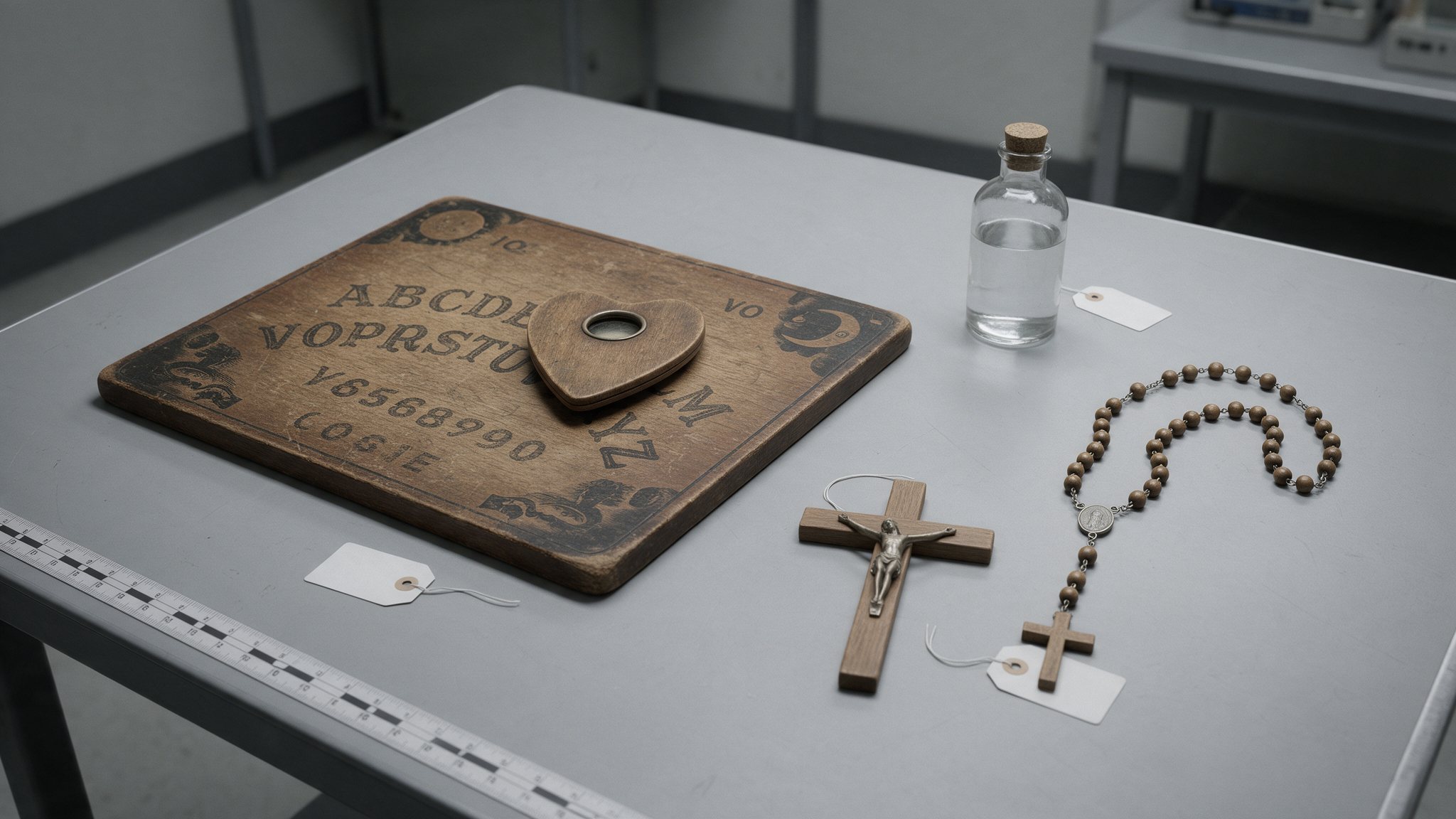
- 01 / 04 · THE BOARD
The trouble began shortly after the death of an aunt who had given him a Ouija board.
- 02 / 04 · THE PASTOR
The family’s Lutheran pastor saw some of it himself, then advised them to consult a Catholic priest.
- 03 / 04 · THE WELTS
Welts reportedly spelled out words, including “LOUIS.” That detail traces to a single line of accounts.
- 04 / 04 · THE WATER
He reportedly writhed under holy water. The famous blind test with plain water isn’t in the better sources.
SIMONEThe accounts describe the mattress shaking violently on its own, objects flying across the room, the boy speaking in a guttural voice, and a crucifix that was placed under his pillow allegedly being found moved to the foot of the bed.
ELIEvery one of those accounts comes from people who had already concluded this was possession before they walked in the door. That's a real problem, evidently. There's no independent, skeptical observer anywhere in this record.
SIMONEExcept the pastor, who saw it before any priest was. And the fact that trained clergy from two entirely different denominations, in two different states, independently reached the same conclusion isn't nothing.
ELITwo denominations that both already believe in possession as a real category of event. That's not independent verification, that's two belief systems agreeing with each other.
Two explanations
Same recordA grieving, distressed child.
Thomas Allen, whose book is the case’s main source, concluded the boy’s behaviour was distress expressed physically and read through a religious frame.
Too many witnesses to dismiss.
A Lutheran pastor and two Catholic priests, in two states and weeks apart, described the same specific physical claims.
Neither side has documentary or forensic proof.
SIMONEMeaning a 13-year-old boy somehow knew, instinctively, exactly what a possession was supposed to look like?
ELINot instinctively. Culturally. He grew up in a household that took the reality of possession seriously enough to eventually call in Jesuit priests. The script was already sitting there, waiting.
SIMONEThat explains a boy acting distressed. It doesn't explain multiple adults independently describing furniture that moved without him touching it.
ELINo, it doesn't. That's the part of this case I genuinely can't wave away either.
SIMONEHe was clear that a lot of what became famous about this case— the head movement, the more theatrical details— that's the movie, not what he actually witnessed. He pushed back hard against the embellishment.
ELIWhich is exactly my point about testimony drifting the longer a story gets retold and adapted.
SIMONEExcept he never once said none of it happened. He said the real version was stranger to him precisely because it was quieter and less cinematic than what people assume. Scratching, moving objects, a boy in genuine distress. He held onto that account until he died, decades after he had any reason to keep performing belief for anyone.
ELIThat's a fair distinction. A participant walking back the mythology while still standing by the core of it is a different thing than a participant standing by the mythology itself.
From a Maryland house to a Hollywood film
1949 to 2021- Disturbing behaviour begins in Cottage City, Maryland, soon after an aunt’s death.
- Fr. Bishop and Fr. Bowdern lead the exorcism, with the archbishop’s permission.
- William Peter Blatty, a Georgetown student, reads about the case.
- Blatty publishes The Exorcist. The film follows in 1973.
- A workman finds Fr. Bishop’s diary in a sealed room at Alexian Brothers Hospital.
- Thomas B. Allen publishes Possessed, built on the diary.
- Walter Halloran, the last surviving priest from the case, dies at 83.
- The man known as “Roland Doe” dies at 86. His identity is confirmed in 2021.
Two readings
No winner“That’s not independent verification, that’s two belief systems agreeing with each other.”
- “I’m not calling it a fabrication. I’m calling it a single, interested source.”
- “A boy thrashing hard enough to shift a mattress isn’t the same as a mattress moving on its own.”
- “I still don’t think either of us actually knows what was in that room.”
“You can’t interpret a mattress shaking on its own, Eli.”
- “If the standards were weak, that’s also a reason not to fully trust a clean psychological explanation either.”
- “It’s the most honest witness we have in this whole case.”
- “At some point, everyone happened to imagine the same thing is a bigger leap of faith than the one they made.”
In their own words, from Episode 02.
No verdict.
ELIMy case is that this record has no neutral witnesses, no physical evidence in the forensic sense, and every single account comes from someone whose faith made them primed to interpret a distressed child's behavior as supernatural. That's not a conspiracy, it's just — that's how testimony works when everyone involved already believes.
SIMONEAnd my case is that dismissing all of it as mass interpretation asks me to believe a Lutheran pastor and two separate Catholic priests, none of whom coordinated their stories in advance, all independently arrived at the same specific physical claims. At some point, everyone happened to imagine the same thing is a bigger leap of faith than the one they made.
ELIMaybe. I still don't think either of us actually knows what was in that room.
SIMONENo. Nobody left in it does either.
- What did the adults in that room actually see?
- How far can a case be trusted when one priest’s diary is its main source?
- Where does the real case end and the novel and film begin?
Hear the whole debate
A new case every Sunday
One short email when each new case file opens. Unsubscribe any time.