December 13, 2022 · Courtry, Paris region, France
Bruno Llambrich: Le Prédateur des Bois
A man committed five rapes in the Paris region and was never matched to them for over a decade. A mail-order DNA kit, the FBI and a banned technique finally put a name to the profile. The hosts agree on who did it. They split on whether the way he was found should ever be allowed again.
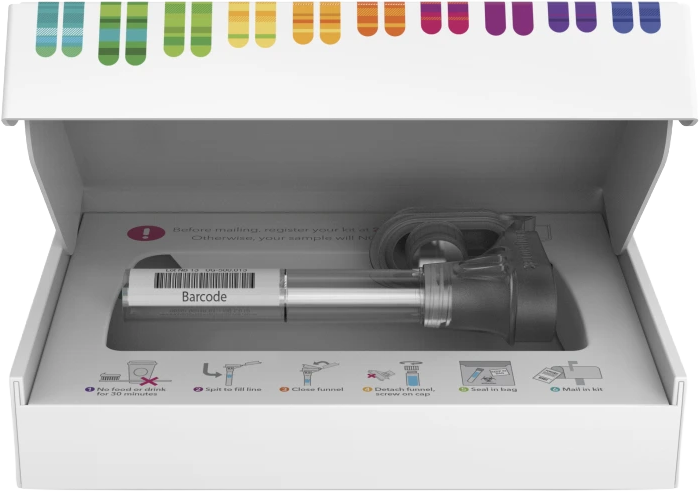
SIMONEHe spits in the tube, seals it, mails it off. Forgets about it, probably, the way you forget most things you order off the internet at 11 at night. And that tube, that one ordinary, slightly embarrassing act of curiosity, is the thread that ends a man's 10-year run as one of the most violent, Serial predators in the Paris region.
ELIWhich, before we even get into what happened, is also the exact same tube that, under French law, was never supposed to exist in the first place.
Five attacks, one profile
Bruno Llambrich committed five documented rapes in the Paris region between 1998 and 2008. DNA was recovered at every scene, but it never matched anyone in France’s national database.
- The crimesFive documented rapes, Paris region, 1998 to 2008
- The evidenceThe same DNA profile, five times
- The databaseNo match in FNAEG, the national DNA database
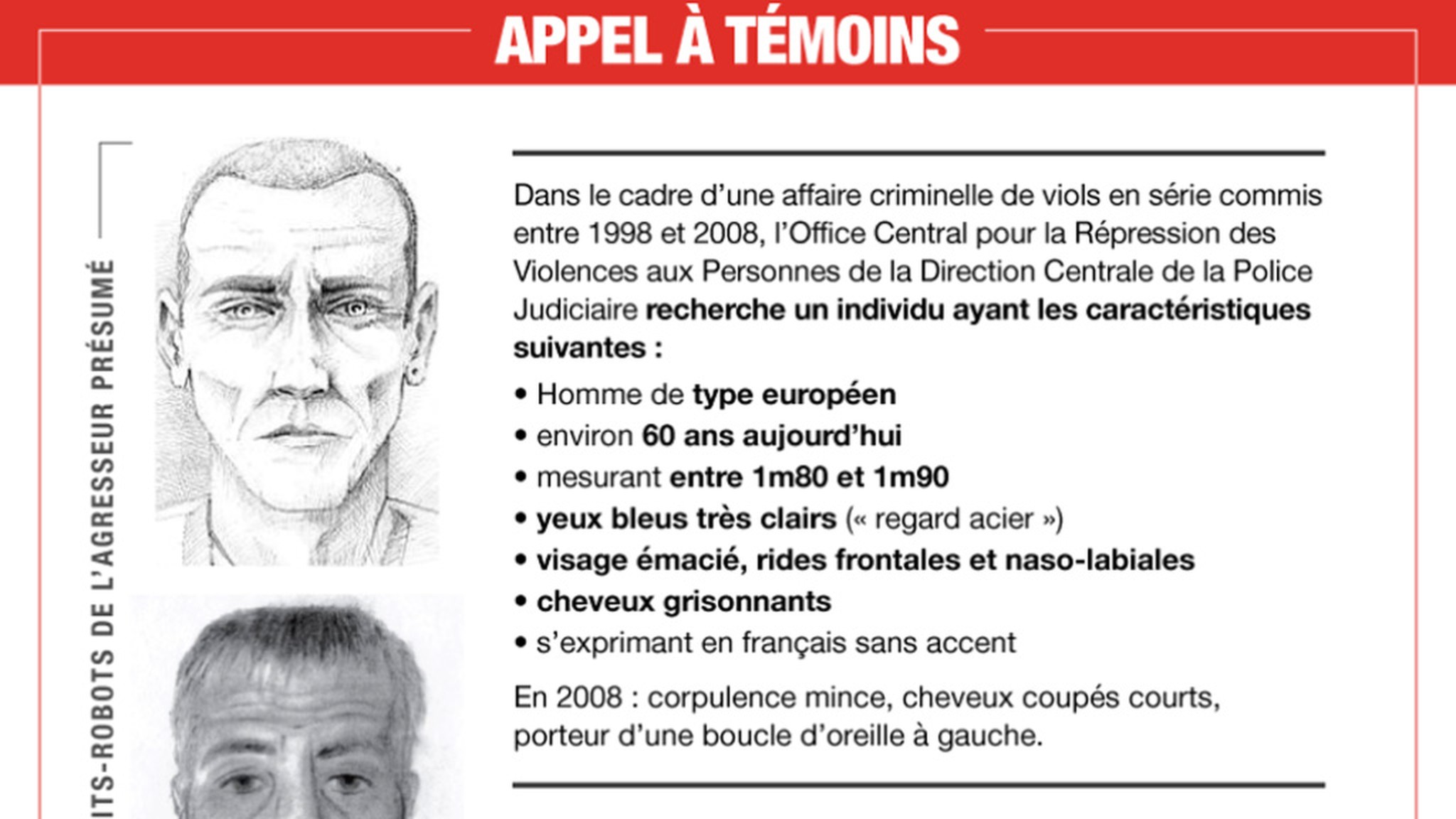
- The appealInvestigators circulated sketches in a public call for witnesses
ELIPolice had DNA from every scene, same profile, five times. And for years it just sits there, matchless. Run against France's national database, FNAEG, Nothing.
SIMONEA DNA profile with no name attached is just a shape. You know something's out there. You can prove it's the same something, five times over. You still can't put a face on it.
- 01 / 04 · THE BAN
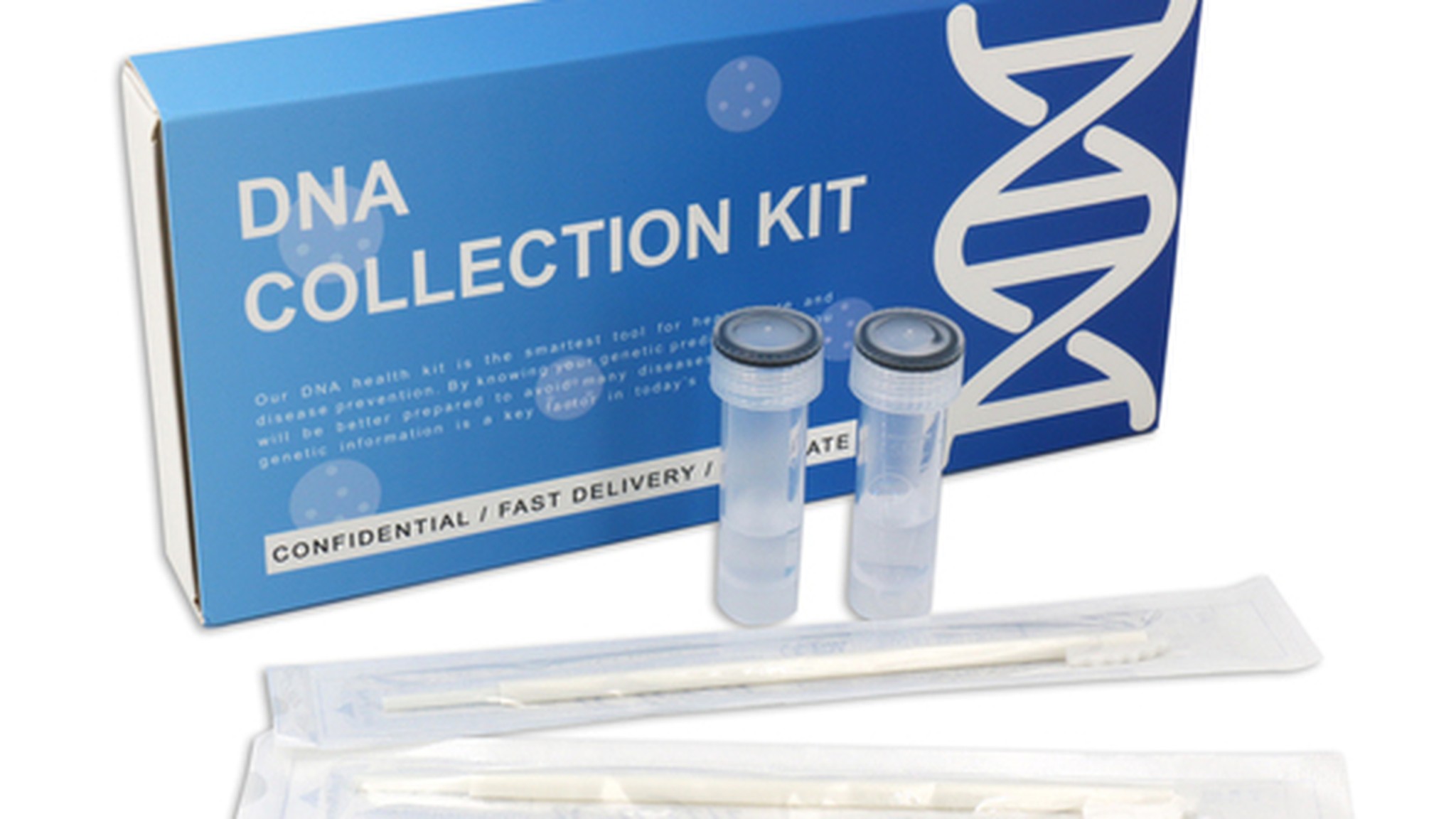
Recreational and ancestry-focused genetic testing is criminally prohibited for French citizens under Article 16-10 of the Civil Code, with a fine of up to €3,750.
- 02 / 04 · THE WORKAROUND
In August 2021, investigating judges used a rogatory request to have the FBI run the crime-scene profile against a US commercial genealogy database. Reporting calls it the first confirmed use of the technique in French criminal history.
- 03 / 04 · THE COUSIN
The search surfaced a distant cousin who had submitted his own DNA to a US ancestry service for personal reasons. He had no involvement in the crimes. Conventional genealogical research then narrowed the tree to Llambrich.
- 04 / 04 · THE ARREST
Llambrich was arrested at his home in Courtry on December 13, 2022. Paris chief prosecutor Laure Beccuau confirmed the FBI’s involvement and the method.
ELIFormal cross-border legal channel. They ask the FBI to run that crime scene profile against a commercial genealogy database.
SIMONENot the suspect's own DNA— nobody has that yet. The crime scene sample. So the tool that eventually catches this man runs through a foreign law enforcement channel, around a domestic ban
The tool or the route
Same caseFix the law, keep the tool.
The cousin’s privacy was violated, and that is not in dispute. A narrower version, with a judge’s sign-off before a request goes out, hard retention limits and notification, would answer what happened to him without giving up a tool that caught a real predator.
The ends don’t justify how the state got there.
A badly worded law is an accident you fix with better wording. A workaround chosen with open eyes, around an explicit prohibition, is not a drafting problem. And CNIL’s history of scope creep says safeguards on paper tend to erode.
No court ever ruled on the 2021 to 2022 use of the technique, because Llambrich died before trial. The claim that investigators knew the legal risk going in comes from a single Radio France feature.
ELIGenealogists build the family tree out from there, branch by branch, same as any ordinary ancestry question, except reversed. Not, who am I descended from? Who in this tree is the right age, the right location, to be leaving DNA at five crime scenes?
SIMONEAnd that's the cousin. That's the guy from the kitchen table. He's not a suspect. He's never done anything wrong in his life. Not even, in any practical sense, the thing that's technically a crime. He mails a spit kit because he's curious about his own family. And his data becomes the scaffolding that narrows an entire unsolved case down to one branch. One generation. One name.
ELIWhich means, and I want to be precise because it's easy to round this off, there is no judicial finding anywhere that says what was done in his specific case was illegal. There's a much broader ruling two years after he's already dead. Not the same thing.
SIMONEAgreed. He was. Never convicted by a jury either, technically. He confessed, the case closed. So there's a version of this where the entire legal architecture underneath it never got load-tested. It worked. It was never checked.
From five attacks to a struck-down law
1998 to 2026- Five documented rapes in the Paris region. The same DNA profile at every scene, with no match in FNAEG.
- Investigating judges use a rogatory request to have the FBI run the crime-scene profile against a US commercial genealogy database.
- Llambrich is arrested at his home in Courtry. Prosecutor Laure Beccuau confirms the method.
- Llambrich dies by suicide in pretrial detention at Fleury-Mérogis, never tried. No court rules on the method.
- CNIL issues a formal opinion on the pending SURE bill, calling its judicial-authorization safeguard insufficient.
- The SURE bill’s genetic-genealogy provision passes the Senate on April 14 and the National Assembly on July 2. The full law is adopted on July 9.
- The Conseil constitutionnel strikes the provision down, citing inadequate consent and data-retention safeguards.
- The kind of genetic-genealogy investigation that identified Llambrich has no valid legal basis in France.
Two readings
No winner“A narrower, better safeguarded version actually answers what happened to him.”
- “There is no judicial finding anywhere that says what was done in his specific case was illegal.”
- “I’ll grant you the cousin’s privacy was violated. Genuinely, not hypothetically.”
- “If it can’t be documented, it isn’t true yet.”
“The ends don’t retroactively justify how the state got there.”
- “A badly worded law is an accident you fix with better wording.”
- “It’s a receipt, not a lock.”
- “He’s a private citizen who became evidence without ever becoming a suspect.”
In their own words, from Episode 08.
No verdict.
SIMONEThere's a detail in the reporting I want to put in the room, and I'll flag up front. It's a single Radio France source, so I'm not leaning on it as proven. But it's worth having. Officials working this method reportedly knew, going in, that there was real legal risk to routing a domestic ban through a foreign channel instead. And they proceeded anyway.
ELIIf that's accurate, that's a different conversation than the bill was poorly drafted.
SIMONEThat's exactly my point. A badly worded law is an accident you fix with better wording. A workaround chosen with your eyes open. Around an explicit criminal prohibition isn't a wording problem.
- Can a technique be legitimate if the state went around its own ban to use it?
- Would a narrower law with a judge’s sign-off have fixed what happened to the cousin?
- Will the legislature try again, and what would it change?
Hear the whole debate
A new case every Sunday
One short email when each new case file opens. Unsubscribe any time.