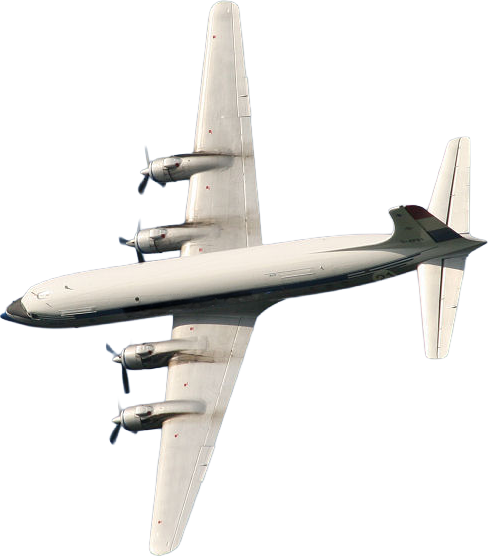
September 17–18, 1961 · Near Ndola, Northern Rhodesia (now Zambia)
Dag Hammarskjöld: The Ndola Plane Crash
On the night of September 17–18, 1961, a plane carrying the UN Secretary-General crashed in the Rhodesian bush. More than sixty years on, the UN’s own inquiry is still open, one piece of the official explanation has failed expert review, and nobody can say who, if anyone, brought it down. The hosts agree on the record. They split on what it adds up to.
SIMONEPicture this. 15 kilometers outside a small airport in what's now Zambia. 2-something in the morning. And a search party's walking through burned scrub with flashlights. Because the wreckage has been sitting there— nobody knew— for hours.
ELI16 people on that plane.
SIMONE16. And when they finally get to the bodies, most of them are right there in the debris field where you'd expect. But one of them isn't.
ELIOne man is lying apart from the rest. Wreckage, separate from everyone else.
Sixteen aboard, none survived
Dag Hammarskjöld’s chartered DC-6B went down about 15 kilometers from Ndola Airport while he was flying to ceasefire talks in the Congo Crisis. All 16 people aboard died. His body was found apart from the rest of the wreckage.
- The flightChartered DC-6B, headed for Congo ceasefire talks
- The crashAbout 15 km from Ndola Airport, night of Sept. 17–18, 1961
- The deadAll 16 aboard, including the Secretary-General
- The first findingRhodesian inquiry: the pilot flew too low
SIMONEThe UN runs its own commission in '62. And here's the thing: they don't overturn the finding. They can't reach their own conclusive cause either.
ELIBut they do document something specific: three separate delays in the search and rescue response. Not there was a delay. 3. Documented. Procedural.
SIMONEA plane full of the world's top diplomat and 15 other people goes down. And it takes them how long to even start looking properly?
ELILong enough that it's in the official record as its own finding. That's not nothing, Simone. I'll give you that one.
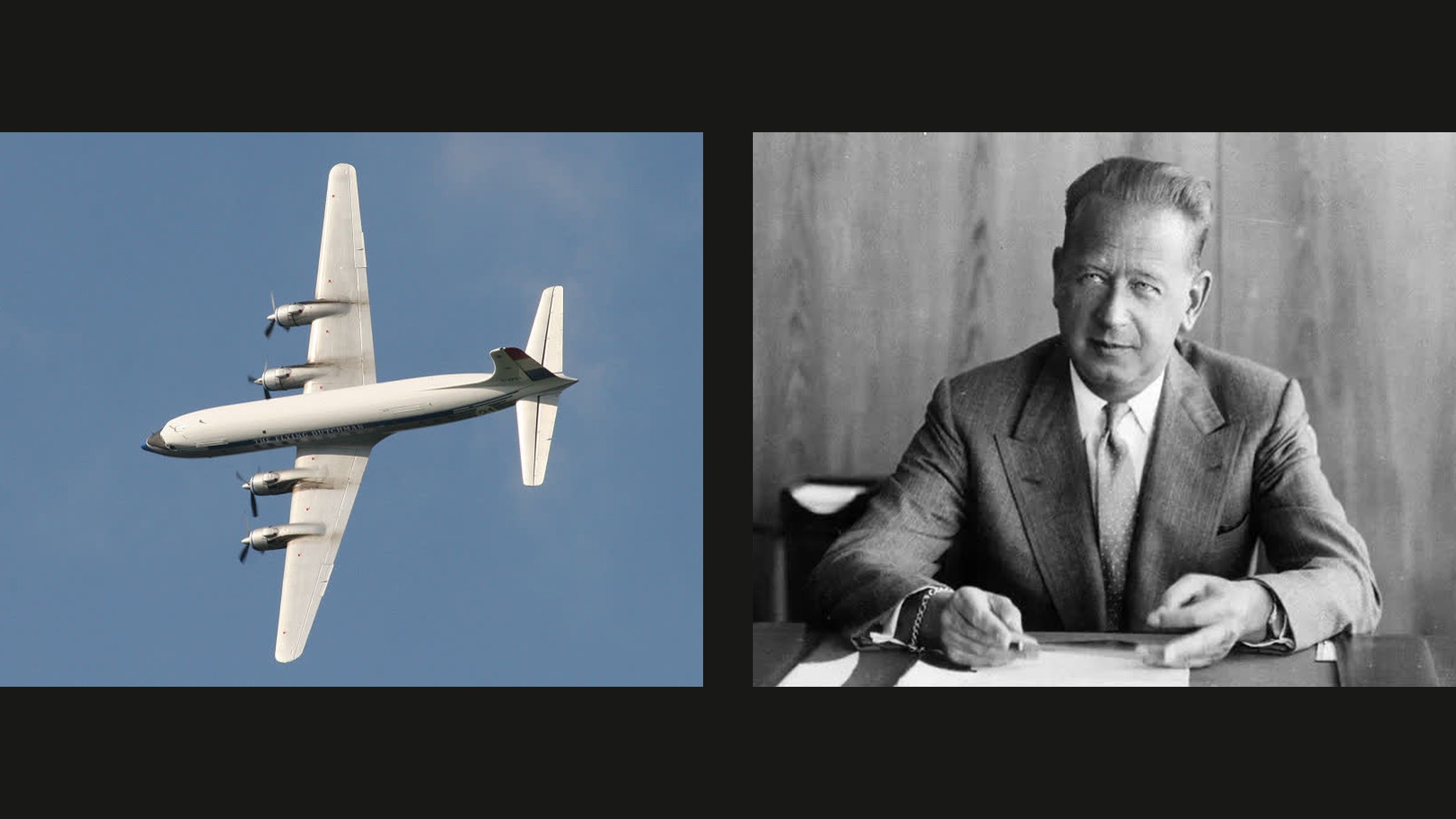
- 01 / 04 · 1961, THE RHODESIAN FINDING
The Rhodesian Board of Investigation found the pilot flew too low and struck trees. No physical evidence of a bomb, missile or hijacking was found in the wreckage search.
- 02 / 04 · 1962, THE UN COMMISSION
The UN’s own commission reviewed the Rhodesian findings but reached no conclusive cause. It documented three separate delays in the search-and-rescue response.
- 03 / 04 · 2013, THE SEDLEY COMMISSION
Ballistics experts told the independent Sedley Commission that the official explanation for bullet wounds on two Swedish bodyguards, exploding ammunition in the fire, is not physically possible. The finding has stood unrebutted, but it does not say who fired.
- 04 / 04 · 2022 TO 2024, THE OPEN FILE
The UN’s eminent person, Mohamed Chande Othman, called an external attack plausible and said member states are almost certainly withholding archival material. As of October 2024 the investigation remains formally open.
ELITwo of Hammarskjöld's Swedish bodyguards had bullet wounds. The official explanation, going back to 1961, is that it was exploding ammunition cooking off in the post-crash fire.
SIMONEAnd the ballistics experts in 2013 say, that's not physically possible. Not, we doubt it. Not, physically possible, as tested.
Accident or attack
Same caseThe record supports neither verdict.
The 1961 investigation was never finished. That is not the same as pilot error being disproved, or murder being proved. The ballistics dispute is expert testimony. The named-pilot theories rest on one man’s recollection and reconstructions that don’t agree.
The pattern keeps telling us something.
A UN investigator still calling an attack plausible, countries still sitting on files, and a Secretary-General whose Congo diplomacy threatened powerful interests. She says institutions don’t behave like that over a pilot who flew too low.
The mining-company motive rests on secondary reporting of interviews that have not been published in full. The 1998 letters alleging a bomb have never been authenticated, and the UK Foreign Office has suggested they may be Soviet-era disinformation. The Southall radio intercept and Egge’s forehead-wound claim are each single-source.
SIMONEAnd it's followed almost immediately by 2014, when The Guardian runs a story about a former NSA operator, Charles Southall, who says he was at a listening station in Cyprus that night and heard a radio transmission: I've hit it. It's crashing.
ELIOne man, one memory. Decades later, same problem as Eggy.
SIMONESure, but he names a name. Jan van Risseghem, a Belgian pilot flying for Katanga.
ELI2015 through 2022, the UN appoints its own eminent person, a sitting Chief Justice, Mohamed Chande Othman, to keep reviewing new material, new witnesses, New radio transcripts.
SIMONEAnd in his most recent report, he doesn't say solved. He says an external attack is plausible. Same word the UN's own guy keeps using, report after report.
ELIAnd he says something else, which I think is actually the most important sentence in this whole timeline, that member states are, quote, almost certainly sitting on undisclosed archival material.
From the bush to the archives
1961 to 2024- The DC-6B crashes near Ndola. All 16 aboard die. Hammarskjöld’s body is found apart from the wreckage.
- The Rhodesian Board of Investigation concludes the pilot flew too low. No physical evidence of a bomb, missile or hijacking is found.
- The UN’s commission reaches no conclusive cause and documents three separate delays in the search-and-rescue response.
- Letters surfaced via South Africa’s Truth and Reconciliation Commission allege MI5, CIA and South African involvement. Their authenticity is never confirmed.
- Maj. Gen. Bjørn Egge says he saw a forehead wound absent from the postmortem photos, 44 years after the fact. No one corroborates it.
- The Sedley Commission hears ballistics experts dispute the exploding-ammunition explanation and recommends the UN reopen its inquiry.
- A former NSA operator tells The Guardian he heard a radio intercept from Cyprus that night. His account has never been independently verified.
- The UN’s eminent person calls an external attack plausible. By October 2024 Secretary-General Guterres is personally pressing governments to release records.
Two readings
No winner“I’m not comfortable giving you a verdict I can’t back up.”
- “It’s not evidence of a cover-up. It’s evidence of a process failure.”
- “One man, one memory.”
- “I disagree that strange gets to become evidence just because it’s been strange for a long time.”
“I’m not going to pretend I need a smoking gun to have a read.”
- “Institutions don’t behave like that over a pilot who flew too low.”
- “That phrase is doing a lot of work for someone being that careful.”
- “I think caution and suspicion look identical from the outside for the first 10 years.”
In their own words, from Episode 10.
No verdict.
ELISo, here's where I actually land, for what it's worth. The honest documented record does not prove pilot error. It also does not prove murder. What it proves is that the investigation was never actually finished in 1961, and everything since The letters, the interviews, the ballistics, the archives— has been 65 years of people trying to fill that gap with more certainty than the record can support. I'm not comfortable giving you a verdict I can't back up. I don't have one.
- Does an official explanation that fails expert review tell us anything about who fired?
- How should one man’s decades-later memory be weighed against a documented technical finding?
- What would it take for the UN’s file to finally close?
Hear the whole debate
A new case every Sunday
One short email when each new case file opens. Unsubscribe any time.