23 August 2010 · Pimlico, central London
Spy in a Bag: The Death of Gareth Williams
Gareth Williams, a 31-year-old GCHQ mathematician seconded to MI6, was found inside a padlocked holdall in the bath of his flat. This is what Eli and Simone argued over.
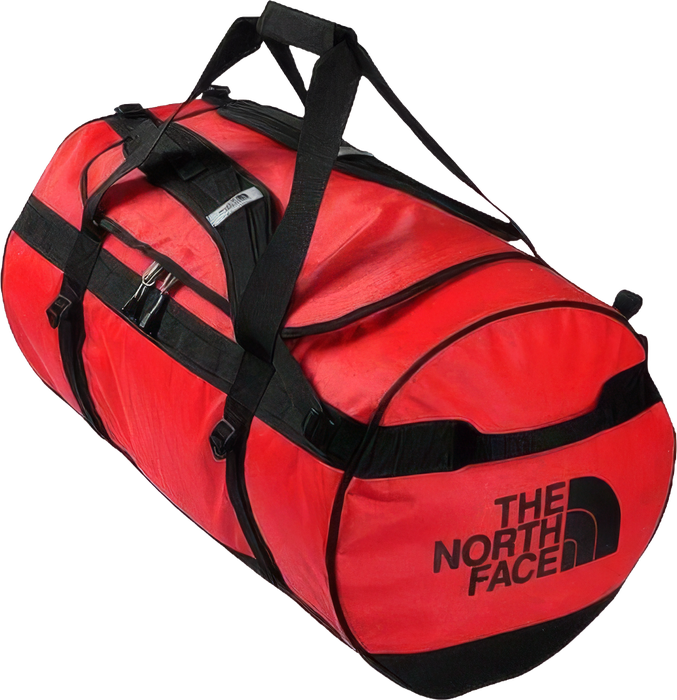
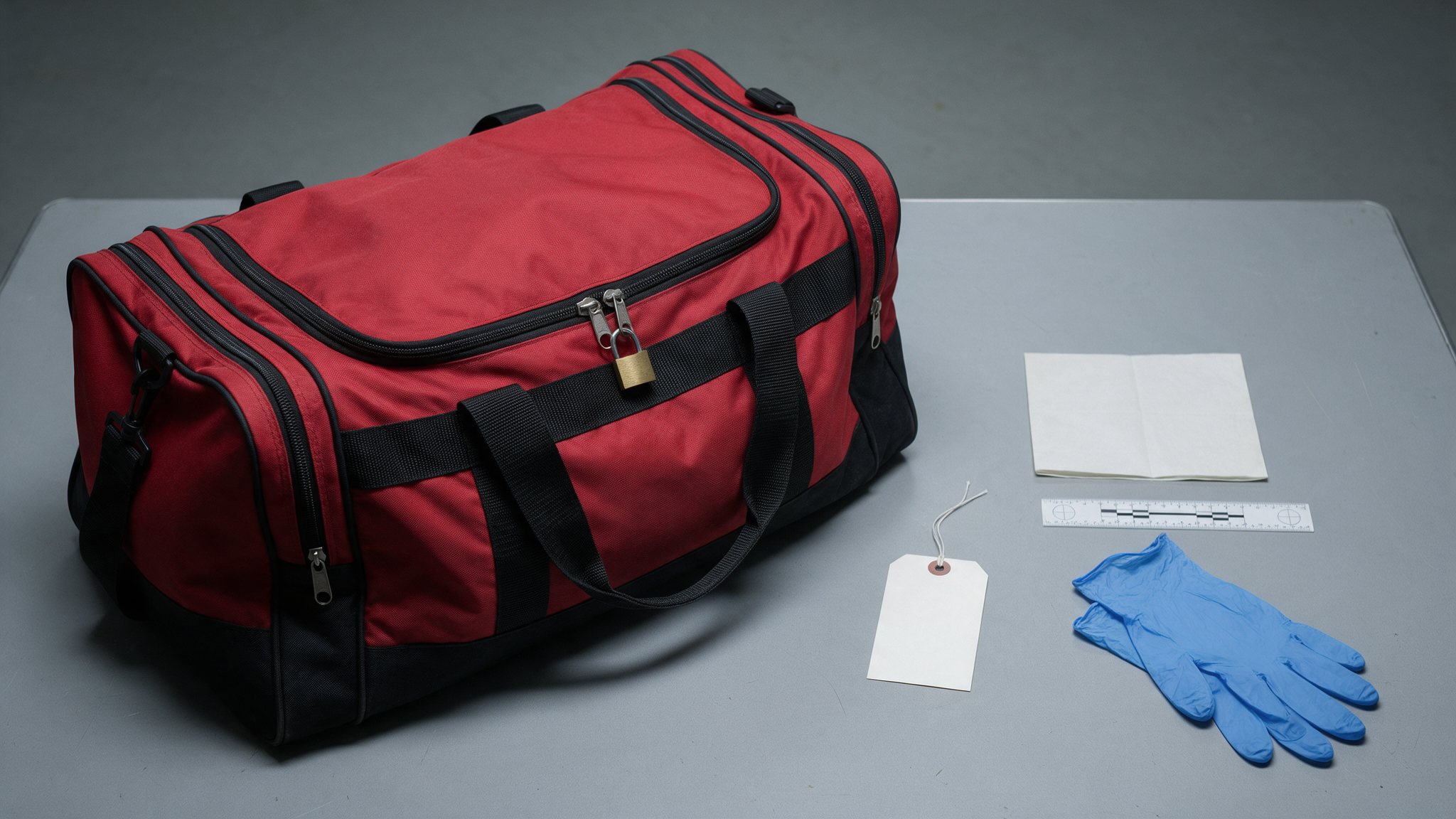
SIMONEOkay — picture the bag before you picture the man. Red. North Face. The kind you’d throw gym clothes into. Sitting in a bathtub, in a flat in Pimlico — central London, a few minutes’ walk from the Thames and from Victoria Station — padlocked shut. From the outside.
ELIFrom the outside.
SIMONEFrom the outside. And when the police finally open it — there’s a body inside. Curled up. Been there the better part of nine days.
ELINine days, and this is a man who worked five minutes from Parliament Square, for the single most surveillance-obsessed organization on the planet.
SIMONEThat’s the whole horror of it, Eli. The people whose entire job is noticing things — didn’t notice him.

The missing week
Eight days passed between the last sighting and the day police opened his door.
- Last confirmed sighting, on CCTV15 Aug, about 3pm
- Expected at workNo alarm raised
- Police check the flat23 Aug
ELIThe next morning, he doesn’t show up to MI6. Nineteen hours after that CCTV shot, an empty desk.
SIMONEAnd nobody flags it. Not that day. Not for over a week.
ELIAt an intelligence agency.
SIMONEAt the intelligence agency. Say what you want about what killed him — that gap is its own indictment. Somewhere between his desk and whoever was supposed to notice it was empty, something in that institution just — didn’t fire.
- 01 / 04 · THE BAG
A red holdall, padlocked, in the bath of his flat.
- 02 / 04 · THE FLAT
No forced entry. No fingerprints. No sign the flat had been cleaned.
- 03 / 04 · THE DNA
Traces from two unknown people on the bag, too degraded to build a profile.
- 04 / 04 · THE TEST
At the 2012 inquest, escape artists made about 400 attempts to lock themselves into the same type of bag. None managed it.
ELIAnd here’s the detail that ends up carrying the entire case for the next two years: no fingerprints. No identifiable DNA from anyone else. No forced entry. No sign the flat had been cleaned up after.
SIMONEA locked room mystery. Literally.
ELILiterally. Except there is DNA on the bag itself — from two unknown people — it’s just too degraded to ever build a usable profile from. So it proves nothing. It just sits there.
SIMONEIt’s the detail that should solve it and instead just haunts it. Two unidentified people, touching the one object at the center of the whole case, and science just—
Two official answers
Same evidence“Likely” unlawfully killed.
Coroner Dr Fiona Wilcox recorded a narrative verdict of death by unnatural causes, and criticised MI6 for delaying its cooperation with police.
“Probably an accident.”
No other person likely present, while acknowledging “evidential contradictions and gaps in our understanding.”
Nobody has ever been charged.
SIMONEFair. So — the actual test.
ELINobody manages it. Not once. The coroner, Fiona Wilcox, delivers a narrative verdict: death by unnatural causes, “likely” that Williams was unlawfully killed, and that a third party locked that bag and put it in the bath.
SIMONEAnd she doesn’t stop there.
ELIShe doesn’t. She goes after MI6 directly — for sitting on his memory sticks, reviewing them internally instead of handing them straight to Scotland Yard. That’s not ambiguous, Simone. That’s an intelligence agency slow-walking a murder investigation into one of its own people. You don’t do that if you’ve got nothing to manage.
ELIThat’s a read, Simone. It’s not nothing, but it’s a read. Four hundred attempts by trained professionals is data. “Maybe adrenaline changes things” is a theory nobody has actually tested.
SIMONEIt’s a read the Metropolitan Police apparently found compelling. Because in November 2013 — eighteen months after that inquest — they reverse it. Deputy Assistant Commissioner Martin Hewitt goes public: probably an accident. No other person likely present. “Theoretically possible,” in his words, that Williams locked himself in.
ELITheoretically possible is not the same as demonstrated. And Hewitt says it himself — there are “evidential contradictions and gaps in our understanding” on both sides. That’s not a confident reversal, Simone. That’s an institution changing its story without new physical—
SIMONEOr it’s an institution correcting an inquest verdict that leaned harder on “impossible” than the evidence actually supported, once they’d had time to look again.
Two verdicts, still no answer
2010 to now- CCTV records the last confirmed sighting of him, at about 3pm.
- Police find him in a padlocked holdall in the bath of his Pimlico flat.
- The inquest finds it likely he was unlawfully killed, and criticises MI6.
- The Metropolitan Police conclude it was probably an accident. His family rejects this.
- Advances in DNA science prompt a fresh forensic review.
- No new DNA, no new leads. The case “cannot be resolved beyond reasonable doubt.”
Two readings
No winner“Four hundred attempts by trained professionals is data.”
- “Theoretically possible is not the same as demonstrated.”
- “That’s an intelligence agency slow-walking a murder investigation into one of its own people.”
- “Every explanation on the table is, on its own terms, unlikely.”
“Undetectable assassinations are rare precisely because they’re hard to pull off cleanly.”
- “The people whose entire job is noticing things — didn’t notice him.”
- “An escape-artist trial under studio conditions, with cameras and observers and no adrenaline, is not automatically the same as knowing what one specific, motivated person could do alone…”
- “Or it’s an institution correcting an inquest verdict that leaned harder on ‘impossible’ than the evidence actually supported.”
In their own words, from Episode 12.
No verdict.
ELIWhich is sort of the whole problem with this case in one sentence. Every explanation on the table is, on its own terms, unlikely. And thirteen years of looking hasn’t made any of them more likely — it’s just eliminated a few and left the rest standing.
SIMONEWe’re not going to resolve this one, Eli.
ELINo. Nobody has. Not the coroner, not the Met, not thirteen years of forensics, not a single named suspect in over a decade.
SIMONEWhich might be the most honest place to leave it. A brilliant, guarded man. A locked bag. And two official verdicts from the same country’s own institutions that still, today, don’t agree with each other.
ELIThe file’s still open. So — for now — so is this one.
- Could one person lock that bag from the inside, alone, on one particular night?
- Whose DNA is on the bag?
- How does an intelligence agency not notice one of its own is missing for over a week?
Hear the whole debate
A new case every Sunday
One short email when each new case file opens. Unsubscribe any time.