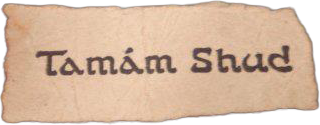
1 December 1948 · Somerton Park beach, Adelaide
Tamám Shud: The Somerton Man
John Lyons and his companions found him reclined against the seawall as if asleep, a half-smoked cigarette resting on his collar. This is what Eli and Simone argued over.
ELIPicture it: December 1st, 1948, early morning, Somerton Park Beach in Adelaide. A quiet stretch of sand backed by a low stone seawall, the water still and gray this early. It’s summer there, so the light’s already up, already warm. The kind of morning where you’d expect joggers, maybe a fisherman. And propped against that wall, legs crossed at the ankle, arms folded almost casually across his chest, is a man in a full suit and tie. Fully dressed, on a beach, at dawn.
SIMONEExcept he’s not asleep. His head’s tilted just slightly wrong, the kind of wrong you don’t clock right away, but you feel it. And in the seventy-five years since that morning, not one person on this planet has — well, ended up figuring out who he actually was.
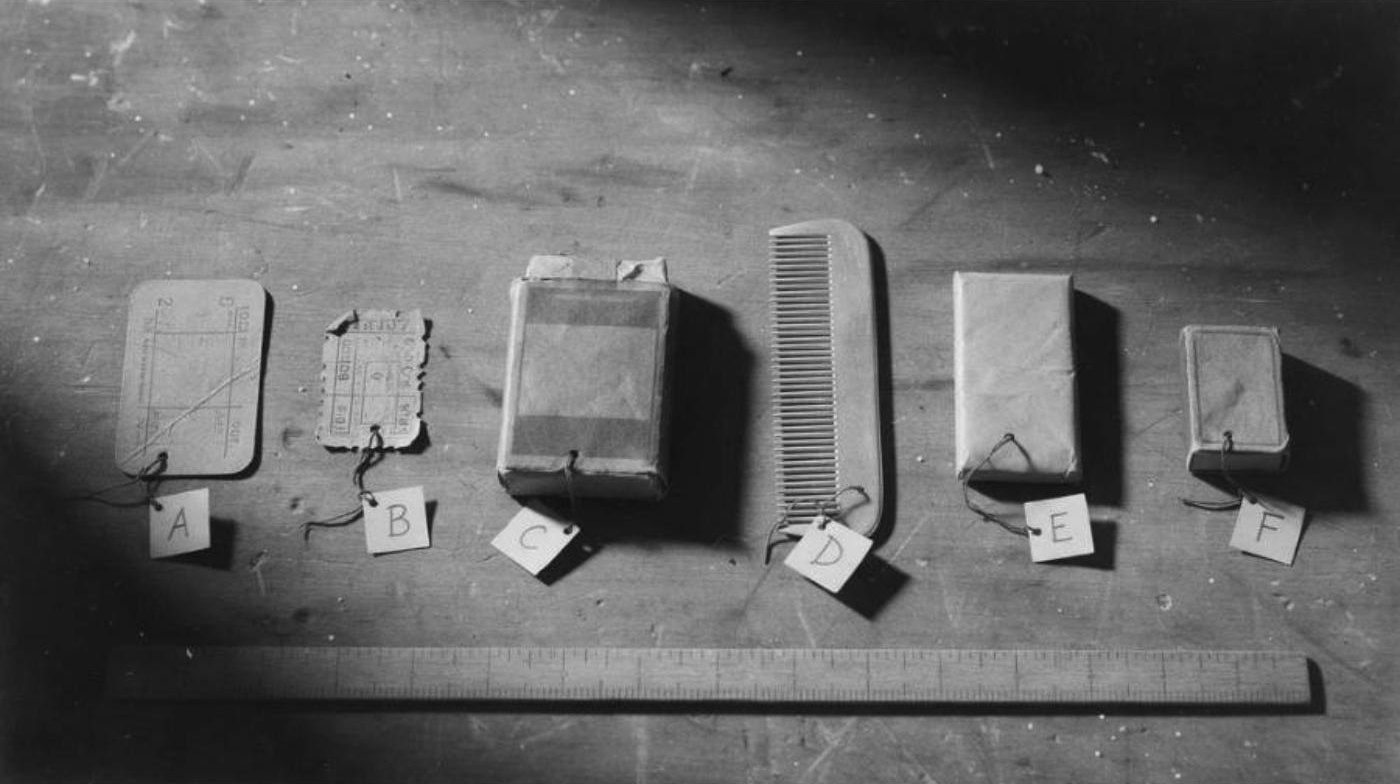
- 01 / 04 · ON THE BODY
No hat. No wallet. No identification of any kind.
- 02 / 04 · THE CLOTHES
Every label had been removed from his clothing.
- 03 / 04 · THE SHOES
Clean, and freshly polished.
- 04 / 04 · THE AUTOPSY
The pathologist believed it wasn't natural. Period tests found no poison.
ELIEvery label had been removed from his clothing, cut out cleanly with what forensics later guessed was a small blade or scissors.
SIMONEEvery single one.
ELIWhich I’ll admit is unusual, but tailors did sometimes strip labels for resale or repair.
SIMONENot from every garment on one body, Eli. That’s not tailoring. That’s someone sitting down and methodically making sure this man could not be traced.
ELIOr making sure the clothes couldn’t be traced. There’s a difference.
SIMONEIs there, though?
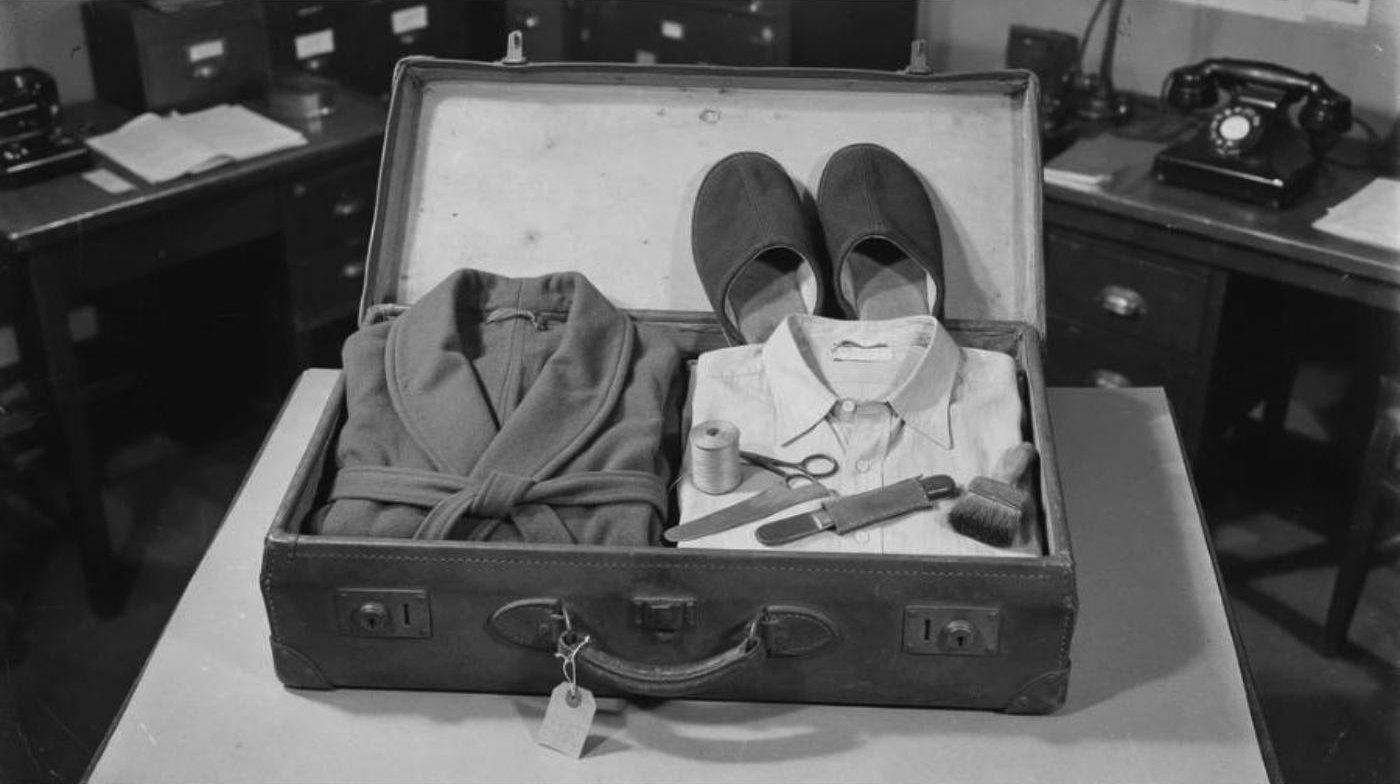
The suitcase
Handed in on 30 November 1948. Recovered on 14 January 1949.
- Clothing marked "T. Keane"No Keane found
- Orange waxed threadMatches his trousers
- A stenciling brushTool
- Sharpened scissorsTool
- A shortened table knifeTool
ELIThat thread match is one of the few hard forensic links we actually have. It’s not speculation; it’s physical evidence tying the suitcase to the body.
SIMONERight, but nobody ever claimed that suitcase. Think about that for a second. In a country that size, in an era when people didn’t just vanish, someone leaves a bag sitting at a station, and no one, not one person, comes forward?
ELIPeople don’t always come forward. That’s not evidence of a conspiracy; that’s just… people.
Tamám Shud
Persian for "ended." Sewn into a hidden pocket in his trousers, torn from the last page of a 1941 Rubáiyát of Omar Khayyám. The book itself turned up in an unlocked car near the beach.
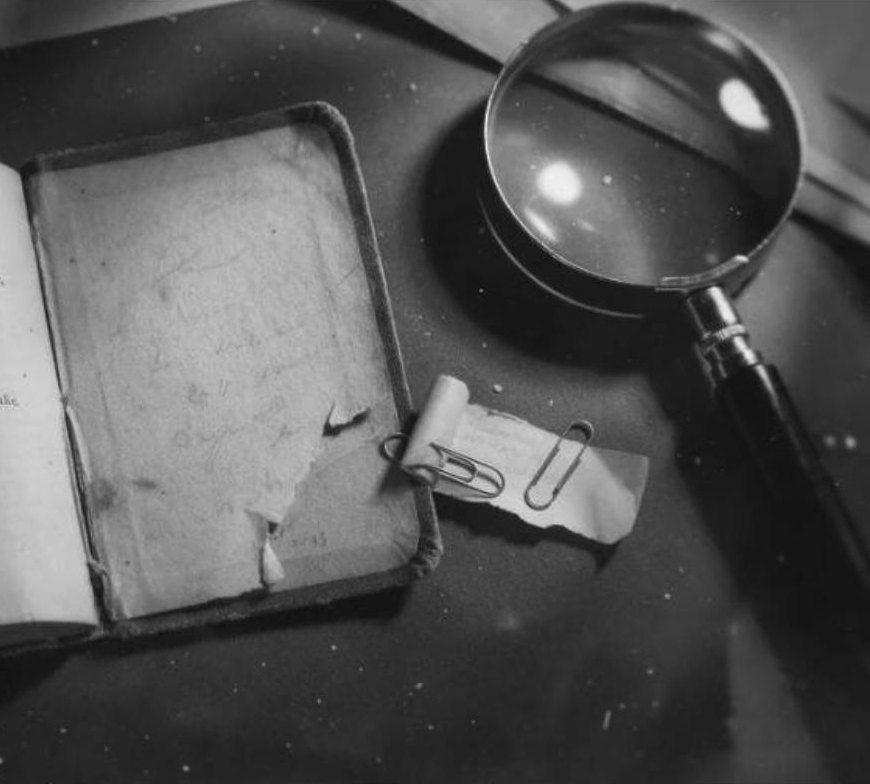
WRGOABABD
MLIAOI
WTBIMPANETP
MLIABOAIAQC
ITTMTSAMSTGAB
Also on the cover: an unlisted phone number, traced to nurse Jessica "Jo" Thomson, who lived about 400 metres from where he was found.
Never deciphered. A 2014 study found it consistent with the first letters of English words.
SIMONEA phone number is written in the back too, Eli. Unlisted. Belonging to a nurse who lived less than a mile from where the body was found.
ELIOkay, that one… that one I don’t have a clean answer for.
SIMONENeither did she. Picture the moment. A detective sets that book down on the table in front of her, no warning, and by every account in the room, the color just drains out of her face. She looks like she’s about to go down right there.
ELIShe denied knowing him. Consistently. For the rest of her life.
SIMONEPeople deny plenty of things they know.
Seventy-five years, one unanswered question
1948 to now- A brown suitcase is checked into the Adelaide Railway Station cloakroom.
- The body is found against the seawall at Somerton Park beach.
- Police recover the suitcase.
- Alf Boxall, given a Rubáiyát by Jessica Thomson, is found alive with his copy intact.
- A cryptographic assessment calls the code too short to analyse.
- The body is exhumed for DNA testing.
- Researchers name him as Carl "Charles" Webb, an engineer from Melbourne.
- SA Police finish their DNA analysis. No Coroner's finding has followed.
SIMONEThe 2022 DNA identification gave us a name: Carl “Charles” Webb, an engineer, estranged from his family. And you know what that name actually explained?
ELIGo on.
SIMONEAlmost nothing. It didn’t explain the poem, didn’t explain the code, didn’t explain the nurse. We finally got the one piece of the puzzle everyone assumed would unlock the rest, and it — it just unlocked nothing.
ELIThat part I’ll give you completely.
SIMONEThat’s my whole case. Not spy. Just — this was a man deliberately built to be unreadable. And seventy-five years later, he still is.
Two readings
No winner"This is almost certainly a personal tragedy wearing a mystery's clothes."
- "Or making sure the clothes couldn't be traced. There's a difference."
- "Digitalis wasn't exotic in 1948. It was a common heart medication."
- "Boring and true beat exciting and unproven. Every time."
"A man doesn't go to that much trouble to disappear unless he's protecting something, or someone."
- "Not from every garment on one body, Eli. That's not tailoring."
- "People don't protect strangers like that."
- "This was a man deliberately built to be unreadable, and seventy-five years later, he still is."
In their own words, from Episode 01.
No verdict.
ELINo verdict here. Just a man who spent his last hours polishing his shoes and folding his arms, making absolutely sure that whoever found him would never know his name. Everything he took the trouble to hide, still hidden.
SIMONETamam shud. It is ended.
ELIExcept it isn’t, really.
SIMONENo, it really isn’t.
- Why would a man remove every label from his clothes and keep a suitcase full of them?
- Did Jessica Thomson know him, and would it change how he died if she did?
- If the code is just shorthand notes, what was he writing down?
Hear the whole debate
A new case every Sunday
One short email when each new case file opens. Unsubscribe any time.